
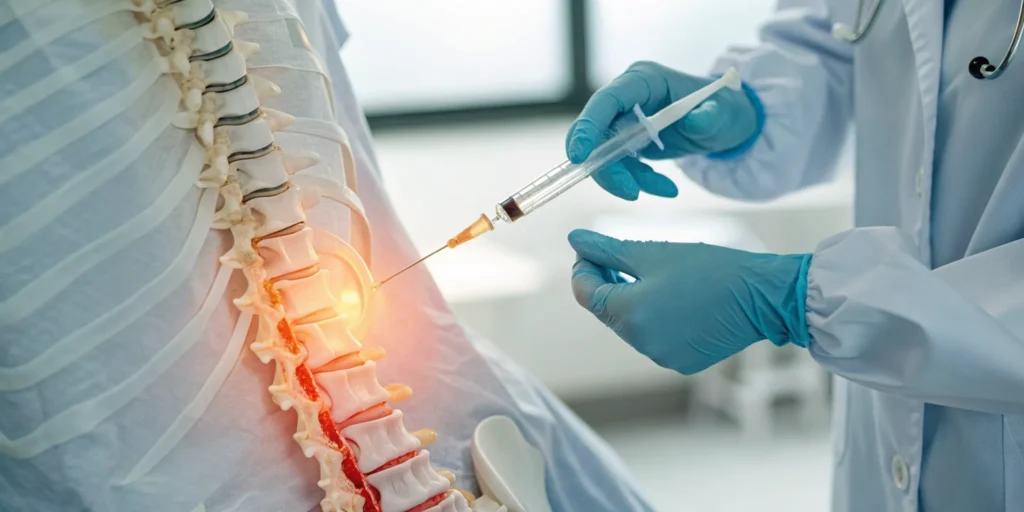
When you have a fire in your kitchen, you don’t spray the whole house with a garden hose. You use a fire extinguisher to target the flames directly. This same logic applies to treating certain types of back pain. When a nerve in your lower spine becomes inflamed, it can send debilitating pain signals down your leg. A targeted nerve L4-L5 injection acts like that fire extinguisher. Instead of relying on oral medications that affect your whole body, this procedure delivers powerful anti-inflammatory medicine right to the source of the problem, calming the irritated nerve and breaking the cycle of pain.
Key Takeaways
- It targets the direct source of pain: This injection delivers powerful anti-inflammatory medicine straight to the irritated L4-L5 nerve root, offering precise relief for conditions like sciatica and herniated discs.
- Expect a quick, guided procedure: The injection itself usually takes less than 30 minutes, and your doctor uses X-ray guidance to place the medication with pinpoint accuracy, which improves both safety and the chances of a successful outcome.
- Use pain relief as a window for recovery: The injection is designed to calm inflammation and break the pain cycle, creating an opportunity to engage in physical therapy. Pairing the injection with rehabilitation is the most effective strategy for achieving long-term health.
Understanding L4-L5 Back Pain
Your L4 and L5 vertebrae are the final two bones at the base of your lumbar spine, sitting right above your tailbone. This area acts as the main hinge for your lower body, supporting a huge amount of weight while allowing you to bend and twist. Because this section of your spine is so mobile and hardworking, it’s also one of the most common places to experience injury and age-related wear and tear. The constant stress can lead to conditions that cause chronic discomfort, making everyday movements feel like a major challenge.
Exiting between these two vertebrae is the L4-L5 nerve root, a key part of the sciatic nerve. When something like a herniated disc or spinal stenosis compresses this nerve, it becomes inflamed and sends out intense pain signals. This is what causes that distinct, debilitating pain that travels from your lower back down your leg. An L4-L5 injection is designed to address this specific type of back pain by delivering medication directly to the irritated nerve. It’s a targeted approach that gets to the root of the problem, rather than just masking the symptoms.
Just How Common Is Back Pain?
If you’re struggling with back pain, you are definitely not alone. It’s one of the most common reasons people visit their doctor, and most adults will deal with it at some point. The pain can show up in many ways, from a dull, constant ache that wears you down to a sharp, sudden pain that stops you in your tracks. It can be caused by anything from a simple muscle strain to more complex issues within the spine itself. While many cases of back pain get better with rest and basic care, persistent or severe pain often signals that it’s time to seek a more specialized approach to find out what’s really going on and get lasting relief.
The Prevalence of Radicular Pain
While general back pain is widespread, the kind that travels down your leg—often called radicular pain or sciatica—is a unique and frustrating challenge. This isn’t just a muscle ache; it’s nerve pain. According to the Cleveland Clinic, an estimated 9% to 25% of people experience this type of radiating low back pain each year. It’s typically caused by a problem at the L4-L5 level, where a herniated disc or narrowing of the spinal canal puts pressure on the nerve root. The result is often a sharp, shooting sensation or a burning feeling that makes it hard to sit, stand, or walk. This is exactly why a lumbar epidural steroid injection can be so effective, as it delivers powerful anti-inflammatory medicine right to the source of the inflammation.
How Does an L4-L5 Injection Stop Back Pain?
If you’re dealing with persistent lower back pain that radiates down your leg, your doctor might suggest an L4-L5 lumbar epidural steroid injection. It sounds complex, but the goal is simple: to deliver targeted relief right where you need it most. This procedure involves placing a powerful anti-inflammatory medication directly into a specific area of your lower spine to calm irritated nerves and reduce your pain. Let’s break down exactly what that means and how it works.
Where Does the Injection Go? The Epidural Space Explained
Think of the epidural space as a protective sleeve that surrounds your spinal cord and the nerves branching out from it. It’s filled with fat and small blood vessels, creating a cushion for these delicate structures. When a nerve in your lower back becomes inflamed, this is the area where the irritation happens. An epidural steroid injection is designed to place medication directly into this space. By targeting the epidural space, we can deliver the medicine precisely to the source of your pain, rather than relying on oral medications that have to travel through your entire body.
How Steroids Calm Inflamed Nerves
The key to this injection is the corticosteroid medication. Corticosteroids are strong anti-inflammatories that work by reducing swelling and calming down your body’s immune response. When a nerve root is compressed or irritated, it becomes inflamed, sending pain signals to your brain. This injection delivers the steroid right to that inflamed nerve. The medication then gets to work, decreasing the swelling and pressure on the nerve. As the inflammation subsides, the pain often lessens significantly, giving you much-needed relief from chronic back pain and allowing your body a chance to heal.
Common Steroid Medications Used
You might be wondering what exactly is in the injection. Doctors typically use specific types of corticosteroids, with dexamethasone and methylprednisolone being two of the most common. Think of these as super-charged anti-inflammatory medicines. Their job is to powerfully reduce swelling and irritation right at the nerve root. By using these proven medications, your specialist can effectively target the inflammation that’s causing your pain. This isn’t just a general painkiller; it’s a targeted treatment designed to calm the specific area that’s flaring up, providing a more direct and often more effective form of relief.
More Than Just Pain Relief: The Diagnostic Role of Injections
While the primary goal of an epidural steroid injection is to provide pain relief, it also plays a crucial role as a diagnostic tool. Think of it as a way for your doctor to confirm exactly where your pain is coming from. If the injection at the L4-L5 level significantly reduces your pain, it’s a strong confirmation that this specific nerve root is the culprit. This information is incredibly valuable because it helps pinpoint the source of the problem with certainty. This allows your pain specialist to create a more precise and effective long-term treatment plan tailored just for you, taking the guesswork out of the equation.
What Does the L4-L5 Nerve Root Do?
Your spine is made up of vertebrae, and the L4 and L5 are the last two vertebrae in your lumbar (or lower) spine. The nerves that exit your spinal column between these two bones control sensation and muscle function in parts of your legs and feet. This specific area is a very common source of nerve compression, often leading to a condition known as sciatica. An L4-L5 injection specifically targets the nerve roots at this level. Because this treatment is so precise, it can be especially effective for relieving the sharp, shooting sciatica pain that travels down your leg.
What Conditions Does an L4-L5 Injection Treat?
An L4-L5 epidural steroid injection is a powerful tool for managing specific types of lower back and leg pain. Because it delivers anti-inflammatory medication directly to the source of irritation, it can provide significant relief for several conditions that affect the L4-L5 nerve root. Think of it as a targeted approach to calming an angry, inflamed nerve. If you’re dealing with persistent pain that hasn’t responded to other treatments, this injection might be the key to breaking the pain cycle and getting you back to your daily activities. It’s particularly effective for conditions that involve nerve compression or inflammation originating from the lower spine.
This procedure is designed to address the root cause of your discomfort, not just mask the symptoms. By reducing swelling and pressure on the spinal nerves, an L4-L5 injection can help with everything from a sharp, shooting pain down your leg to a constant, dull ache in your lower back. It’s a minimally invasive option that can offer a period of relief, allowing your body a chance to heal and making it easier to engage in other therapies, like physical therapy. The goal is to calm the inflammation enough so you can move more freely and with less pain. Let’s look at some of the specific conditions where this treatment can make a real difference.
Soothing Pain from a Herniated Disc
A herniated disc happens when the soft, gel-like center of a spinal disc pushes out through a tear in its tough exterior. When this occurs at the L4-L5 level, the bulging material can press directly on the nearby spinal nerve, causing inflammation and intense pain. An epidural steroid injection delivers potent anti-inflammatory medication right to this irritated area. The goal is to reduce the swelling around the nerve, which relieves the pressure and, in turn, eases the pain. This can give the nerve and the disc time to heal.
Easing Pressure from Spinal Stenosis
Spinal stenosis is a condition where the spinal canal narrows, leaving less space for the spinal cord and nerves. This narrowing can be caused by bone spurs, thickened ligaments, or bulging discs. At the L4-L5 level, this can lead to compression of the nerve roots, resulting in pain, numbness, or weakness in the lower back and legs. The steroid medication in the injection helps decrease the inflammation of the tissues within the narrowed canal, creating more room for the nerves and providing much-needed relief from the pressure.
Relief for Sciatica and Radiating Leg Pain
Sciatica is a common term for pain that radiates along the path of the sciatic nerve, which branches from your lower back through your hips and down each leg. This condition, also known as lumbar radiculopathy, is often caused by the compression or irritation of a nerve root in the lumbar spine, frequently at the L4-L5 level. An L4-L5 injection specifically targets this inflamed nerve root. By calming the irritation at its source, the injection can significantly reduce the sharp, shooting sciatica pain that travels down your leg.
Managing Degenerative Disc Disease Pain
Over time, the discs in our spine can naturally wear down in a process called degenerative disc disease. As these discs lose height and hydration, they can become a source of chronic inflammation and pain. This degeneration can also lead to other issues, like herniated discs or spinal stenosis. While an L4-L5 injection can’t reverse the aging process of the disc, it is very effective at managing the inflammatory pain that comes with it. By reducing the inflammation, the injection can provide substantial back pain relief and improve your function.
What If Other Treatments Haven’t Helped?
Often, an L4-L5 injection is recommended after you’ve tried more conservative treatments without success. If physical therapy, oral medications, and activity modification haven’t provided the relief you need, an injection can be a logical next step. It’s not just about temporary pain relief; it’s about interrupting the cycle of pain and inflammation. This can make it possible for you to participate more effectively in physical therapy and other rehabilitative exercises, which are essential for building long-term strength and stability in your lower back.
What Happens During Your L4-L5 Injection?
Knowing what happens during your procedure can make the entire experience feel more comfortable and less intimidating. At Kentuckiana Pain Specialists, our team walks you through every step, ensuring you feel informed and at ease from start to finish. The entire process is designed to be as smooth and efficient as possible, focusing on your safety and comfort while targeting the source of your pain with precision. From the moment you arrive, we are here to answer your questions and provide the expert care you deserve.
Who Performs the Injection?
It’s completely understandable to want to know who will be handling your care. This isn’t a procedure performed by a general practitioner; it requires a high level of specific training and expertise. Lumbar epidural steroid injections are administered by highly skilled medical doctors who specialize in treating pain, such as anesthesiologists, physiatrists, and interventional radiologists. These pain management specialists have extensive training in using advanced imaging, like fluoroscopy (a type of live X-ray), to guide the needle to the precise location in your spine. This guidance is crucial for ensuring the medication is delivered exactly where it’s needed, which makes the procedure both safer and more effective for you.
Getting Ready for Your Appointment
Before your appointment, our team will give you a specific set of instructions to follow. This might include fasting from food and drink for a few hours. It’s also very important to discuss all your current medications with us, especially if you take blood thinners, as you may need to pause them for a few days. These steps are standard safety measures to ensure the procedure goes smoothly. We want you to be fully prepared, so feel free to ask any questions you have beforehand. You can find more general information and forms in our Patient Center to help you get ready.
How We Ensure Pinpoint Accuracy
To make sure the medication reaches the exact spot where your nerve is irritated, we use a special type of X-ray called fluoroscopy. This technology provides a real-time image of your spine, allowing your doctor to guide the needle with incredible accuracy. Before injecting the medication, we often use a small amount of contrast dye to confirm the needle is perfectly placed in the epidural space. This careful, guided approach is key to making the epidural steroid injection as effective as possible and is a standard part of our commitment to providing high-quality care.
Different Types of Epidural Injections
While the goal is always to relieve pain, not all epidural injections are the same. The most common type is the epidural steroid injection, which uses a corticosteroid like dexamethasone to deliver powerful, targeted anti-inflammatory relief. This is ideal for reducing the swelling that causes chronic pain from conditions like a herniated disc. Sometimes, however, an injection might contain only a local anesthetic. This approach offers immediate but temporary pain relief and can also serve a diagnostic purpose. If the anesthetic instantly numbs the pain, it helps your doctor confirm they’ve pinpointed the exact nerve causing your discomfort, which is crucial for planning your long-term care. Your doctor will always choose the right type of injection based on your specific condition and treatment goals.
The Injection Process Itself
Once the needle is in the correct position, your doctor will slowly inject the medication. This solution typically contains two key ingredients: a local anesthetic to provide immediate, temporary pain relief, and a corticosteroid. The steroid is a powerful anti-inflammatory medicine that works to reduce swelling and irritation around the L4-L5 nerve root. By calming the inflammation directly at the source, the injection can interrupt the pain signals that cause your discomfort. This targeted delivery is what helps so many people find relief from chronic back pain and sciatica.
What You’ll Feel During the Injection
It’s completely normal to wonder what the injection will feel like. First, we’ll numb the skin on your lower back with a local anesthetic, which might feel like a small pinch or sting that quickly fades. As your doctor guides the needle into the epidural space using X-ray guidance, you might feel a sense of pressure, but it shouldn’t be sharply painful. When the medication is injected, some people describe a tingling, burning, or pressure sensation that can briefly travel down their leg. This is a normal part of the epidural steroid injection process, and the entire procedure is usually over in less than 30 minutes.
Right After the Injection
The injection itself is a quick procedure, usually lasting about 10 to 20 minutes. Afterward, we’ll have you rest in a recovery area for a short monitoring period. This allows us to make sure you’re feeling well before you head home. Most people are able to sit, stand, and walk comfortably soon after the injection. Because you’ll receive a local anesthetic, you will need to have someone available to drive you home safely. Our goal is to get you back on your feet with a clear plan for your recovery and follow-up care.
How to Prepare for Your L4-L5 Injection
Getting ready for your L4-L5 injection is pretty straightforward, but a little preparation goes a long way in making sure everything goes smoothly. Knowing what to do beforehand can help you feel more relaxed and confident on the day of your appointment. Think of it as setting the stage for a successful procedure. We’ll walk you through a few key steps, from managing your medications to arranging a ride home. These guidelines are designed with your safety and comfort in mind, and following them helps prevent any delays or complications.
At Kentuckiana Pain Specialists, we believe that a well-informed patient is an empowered one. When you understand the ‘why’ behind each step, the process feels less intimidating. For example, discussing your medications isn’t just a formality; it’s a critical safety check. Likewise, arranging for a driver isn’t just a suggestion; it’s essential for your well-being after the procedure. Our goal is to make your experience as seamless as possible, from the moment you schedule your appointment to your recovery at home. This preparation is a key part of your overall pain management treatment plan, and taking these simple steps is an important way you can contribute to a positive outcome. Let’s go over what you need to do.
Your Medication Checklist
Before your procedure, it’s so important to talk with your doctor about every single thing you take. This includes all prescription medications, over-the-counter drugs, and even vitamins, herbs, and supplements. You’ll want to be especially thorough about any blood thinners like aspirin, warfarin, or Plavix. Your doctor may need you to temporarily adjust or stop taking certain medications to reduce the risk of bleeding during the injection. Being open and honest about what you’re taking is a crucial step to ensure your procedure is as safe as possible. This conversation helps us tailor your care and avoid any potential complications.
Can I Eat or Drink Before the Procedure?
You will likely be asked to avoid eating or drinking for a specific period before your injection, often for 12 to 24 hours. We know fasting isn’t fun, but it’s a standard safety measure. The main reason for this is to make sure your stomach is empty, which helps prevent complications if you receive sedation to help you relax. Your care team will give you exact instructions on when to stop eating and drinking. Please follow these guidelines carefully. If you have any questions about your specific instructions, especially if you have a condition like diabetes, don’t hesitate to ask us for clarification.
Why You’ll Need a Driver
This is a simple but non-negotiable step: you must have someone drive you home after your procedure. You may receive medication to help you relax, and even if you feel alert afterward, your reflexes and judgment can be impaired. For your safety and the safety of others on the road, you will not be allowed to drive yourself. Please arrange for a friend, family member, or a ride service to pick you up. Planning this ahead of time removes any stress on the day of your appointment and allows you to go home and rest comfortably, which is exactly what you should be doing. For help finding a comfortable position, see our guide on the best positions to sleep after an epidural.
What to Expect on the Day of Your Procedure
On the day of your L4-L5 injection, you can expect the procedure itself to be quite quick, usually taking about 15 to 30 minutes. When you’re ready, you will lie on your stomach on a procedure table. Our team will then clean the skin on your lower back and numb the area with a local anesthetic to keep you comfortable. Dr. Nair will use X-ray guidance, called fluoroscopy, to precisely guide the needle to the correct spot in the epidural space. This ensures the medication is delivered exactly where it’s needed to be most effective. You’ll be monitored the entire time to ensure you’re safe and comfortable.
What Are the Benefits and Risks?
When you’re dealing with persistent nerve pain, the main goal is finding meaningful relief. The primary benefit of an L4-L5 epidural steroid injection is its ability to deliver powerful anti-inflammatory medication directly to the irritated nerve root. Instead of waiting for oral medications to work their way through your system, this targeted approach gets right to the source of the problem. This can significantly reduce the pain, numbness, and tingling associated with conditions like sciatica and herniated discs, improving your mobility and quality of life.
Of course, like any medical procedure, it’s important to weigh the benefits against the potential risks. While an epidural steroid injection is a common and safe procedure, understanding the full picture helps you make an informed decision. We’ll walk through what you can expect in terms of relief, success rates, and any potential side effects.
How Long Does the Pain Relief Last?
One of the most common questions we hear is, “How long will this actually work?” The duration of pain relief from an L4-L5 injection can vary from person to person. Generally, many patients experience relief for about six months, though for some, the benefits can last up to a year. The goal of the injection is to calm the inflammation enough to create a window of opportunity. During this period of reduced pain, you can more effectively participate in physical therapy and other rehabilitative exercises, which helps build strength and stability for more lasting results.
What Is the Success Rate for L4-L5 Injections?
It’s encouraging to know that L4-L5 epidural steroid injections have a high rate of success. Studies and clinical experience show that a majority of patients, around 80%, find significant relief from their symptoms after the procedure. A successful outcome typically means a noticeable reduction in pain and an improved ability to perform daily activities that were once difficult or impossible. Hearing from others who have found relief can be reassuring, and you can see what our patients have to say about their experiences.
What Are the Most Common Side Effects?
After your injection, you might experience a few temporary and mild side effects. The most common include some soreness at the injection site, similar to what you’d feel after any shot. Some people report a temporary, short-term increase in their usual pain, often called a “steroid flare,” before the medication fully kicks in. Other possible effects include facial flushing, temporary difficulty sleeping, or a slight increase in blood sugar levels, particularly for those with diabetes. These side effects are typically nothing to worry about and usually resolve on their own within one to three days.
What Are the Risks Involved?
While serious complications are very rare, it’s important to be aware of them. Potential risks include bleeding, infection, an allergic reaction to the medication, or nerve damage. Our team at Kentuckiana Pain Specialists minimizes these risks by adhering to the strictest safety protocols. We use X-ray guidance (fluoroscopy) to ensure the needle is placed with absolute precision, which greatly enhances the safety and effectiveness of the procedure. Our expert physicians will discuss your specific health history with you to ensure this treatment is a safe and appropriate choice.
Understanding Rare but Serious Complications
It’s completely normal to want to understand the full picture, and that includes the less common risks. While serious complications from an epidural steroid injection are extremely rare, they can include issues like bleeding, infection, or nerve damage. To put this into perspective, the chance of any permanent harm is incredibly low—less than 1 in 50,000 procedures. The risk of more severe outcomes like paralysis is even smaller. At our clinic, we take every precaution to make your procedure as safe as possible, using advanced imaging to guide the injection with precision. This commitment to meticulous technique is a cornerstone of how we provide expert care and minimize already low risks.
A Note on FDA Warnings
You may have come across information about a warning the FDA issued in 2014 regarding epidural steroid injections. This warning highlighted rare but serious neurological risks. However, it’s important to understand the context. Many pain management experts felt this warning was too broad because it didn’t distinguish between different injection techniques and types of steroids, which have very different safety profiles. Since then, best practices have continued to evolve. A knowledgeable specialist will use specific techniques and medications to maximize safety. This is why choosing an experienced physician who is up-to-date on the safest and most effective pain management treatments is so important for your care.
What Does Recovery Look Like?
One of the best parts of an epidural steroid injection is that the recovery is usually quick and straightforward. The goal is to get you back to your life with less pain, and that process starts right after your procedure. While everyone’s experience is a little different, you can generally expect a short period of taking it easy followed by a gradual return to your favorite activities.
Understanding what to do after your injection helps you get the most out of the treatment. Following a few simple guidelines for rest, activity, and follow-up care can make a significant difference in your results and support long-term relief. Here’s a look at what you can expect in the hours, days, and weeks after your L4-L5 injection.
The First 24 Hours After Your Injection
Right after your injection, our team will monitor you for a short time to make sure you’re feeling well. Most people can sit, stand, and walk around as they normally would. You might feel some numbness in your legs from the local anesthetic, but this typically wears off within a few hours.
We’ll go over your post-procedure instructions before you leave. It’s important to have someone drive you home, as you shouldn’t operate a vehicle for the rest of the day. Once you’re home, the main goal is to rest and let the medication begin its work. Our patient center is always available if you have questions after you leave our care.
Important Aftercare Instructions
For the rest of the day after your injection, your main job is to rest. You can absolutely walk around, but please hold off on any strenuous activities or heavy lifting. It’s very common to feel some soreness at the injection site—think of it like the day after a flu shot. An ice pack applied for 15 to 20 minutes at a time can work wonders for this. You can typically get back to your usual routine the next day, but it’s important to listen to your body. The local anesthetic gives you some immediate relief, but the real star of the show, the steroid, can take a few days to fully kick in and reduce the inflammation causing your back pain.
Balancing Rest and Gentle Activity
Listening to your body is key during recovery. For the first 24 hours, it’s best to avoid soaking in water, so stick to a shower instead of a bath or hot tub. You can typically return to your normal daily activities the day after your procedure, but you should hold off on any strenuous exercise or heavy lifting for a few days.
This short break gives the injection site time to heal and the steroid a chance to start reducing inflammation around the nerve root. Pushing yourself too hard too soon can cause irritation and may interfere with your results. Plan for a couple of easy days before jumping back into your full routine.
Returning to Your Normal Routine
You might notice immediate pain relief from the local anesthetic, but the long-term relief from the steroid can take a few days to a week to fully kick in. It’s also common to feel a little sore at the injection site. Once the steroid starts working, many people experience significant relief from their sciatica pain or other symptoms.
This relief can last for several months and, for some, up to a year. This window of reduced pain is your opportunity to get back to the activities you love and to engage more effectively in other parts of your treatment plan, like physical therapy.
When to Call Your Doctor
While most people recover without any issues, it’s important to know which signs warrant a call to your doctor. Your well-being is our top priority, and we want you to feel confident during your recovery. Please get in touch with our office right away if you experience a severe headache that feels worse when you sit up, or if you notice any signs of infection like a fever, redness, or fluid coming from the injection site. You should also call us immediately if you have a sudden loss of bladder or bowel control, or new or worsening numbness or weakness in your legs. Trust your instincts—if anything feels unusual or you have any concerns at all, please don’t hesitate to contact us. We are here to support you.
Maximizing Results with Physical Therapy
An L4-L5 injection is most effective when it’s part of a comprehensive treatment plan. The injection is a tool that calms inflammation and reduces pain, creating the ideal opportunity to address the underlying cause of your discomfort. We almost always recommend pairing injections with a physical therapy program.
Working with a physical therapist can help you strengthen the muscles that support your spine, improve your flexibility, and learn movements that prevent future injury. This combination of treatments is what leads to lasting relief. We’ll work with you to create a personalized back pain management plan that supports your long-term health and well-being.
Is an L4-L5 Injection Right for You?
Deciding on a treatment path for your lower back pain is a significant step, and it’s completely normal to wonder if an L4-L5 injection is the right choice. This procedure is a targeted treatment, not a universal fix, but it can bring incredible relief for people with specific pain sources. The key is understanding if your symptoms align with what the injection is designed to treat. Working closely with a pain specialist is the best way to determine your next steps, but learning more about the process can help you feel confident and prepared for that conversation.
Who Is a Good Candidate?
You might be a good candidate for an L4-L5 injection if your back pain comes from an inflamed or compressed nerve root in your lower spine. The main goal of an epidural steroid injection is to deliver potent anti-inflammatory medication directly to the source of the irritation. Think of it as putting out a fire right where it started. If you’ve been diagnosed with a condition that causes this kind of nerve pressure, and you’re experiencing radiating pain, numbness, or weakness in your leg, this treatment could be a very effective option. It’s especially helpful for people whose pain makes it difficult to participate in daily activities or physical therapy.
Who Might Not Be a Candidate?
While an L4-L5 injection is a safe and effective option for many, it isn’t the right fit for everyone. Certain health conditions can increase the risks associated with the procedure, so a thorough evaluation of your medical history is always the first step. For example, if you have an active infection, a bleeding disorder, or uncontrolled diabetes, this injection might not be recommended. Similarly, if you’ve had a severe allergic reaction to steroids or the anesthetic in the past, we would need to explore other options. The frequency of injections also matters; receiving too many steroid shots in a short period can have negative effects. This is why an open conversation with your doctor is so important to ensure this is the safest and most appropriate path for your pain management plan.
What to Tell Your Doctor Beforehand
It’s important to have a clear diagnosis before considering this procedure. An L4-L5 injection is often recommended for specific conditions that affect the nerve roots in your lumbar spine. Be sure to discuss your full medical history with your doctor, especially if you have conditions like a herniated disc, where a spinal disc bulges and presses on a nerve. Other common issues include spinal stenosis, which is a narrowing of the spinal canal, and degenerative disc disease. This injection is also a primary treatment for sciatica pain, which causes that distinct shooting pain down the leg. A thorough evaluation will confirm if your pain is coming from one of these underlying problems.
Other Options for L4-L5 Pain Relief
An L4-L5 injection is rarely the first and only step in a treatment plan. It’s most effective when used as part of a comprehensive approach to managing your back pain. Before recommending an injection, your doctor will likely explore more conservative treatments, such as modifying your activities, oral anti-inflammatory medications, and a structured physical therapy program. If those methods don’t provide enough relief, an injection may be the next logical step. The goal is often to reduce your pain enough so you can fully engage in physical therapy and build long-term strength and stability. We offer a wide range of pain management treatments to create a plan that works for you.
Will You Need More Than One Injection?
It’s a common question, and the answer is different for everyone. While some people find significant relief after just one L4-L5 epidural injection, others may need a series of injections to manage their pain effectively. The goal is always to provide the most relief with the fewest injections possible.
Think of the injection as a tool that helps calm down the intense inflammation around your nerve root. This often creates a window of opportunity where your pain is reduced enough to engage in other therapies, like physical therapy. Your response to the first injection is a key indicator. We will work closely with you to monitor your progress and determine the best path forward for your specific case of back pain.
What Affects Your Injection’s Success?
The success of your L4-L5 injection isn’t just about the medication itself; it’s about how it fits into your overall recovery plan. For the best and most lasting results, we almost always pair epidural steroid injections with a comprehensive rehabilitation program. The injection is designed to reduce your pain so you can effectively participate in physical therapy and other restorative treatments.
Your individual condition, the severity of your nerve compression, and your commitment to your rehabilitation program all play a role in how long your relief lasts. By strengthening the muscles that support your spine, you can build a stronger foundation for long-term health and reduce the chances of pain returning.
How Often Can You Get Injections?
If you and your doctor decide that another injection is needed, the timing will be carefully planned. Generally, you can receive injections every few weeks for a new or acute issue. For more chronic conditions, we typically space them out, waiting anywhere from three to six months between procedures. Most people receive no more than three to six injections within a year.
This schedule isn’t arbitrary. It’s based on your body’s response and your progress in physical therapy. Our team at Kentuckiana Pain Specialists will create a personalized schedule that gives you the best chance for sustained relief while ensuring your safety and well-being.
Building Your Long-Term Pain Plan
The ultimate goal is not to rely on injections forever but to use them as a stepping stone toward lasting comfort and mobility. An L4-L5 injection can provide the crucial short-term relief needed to break the cycle of pain and inflammation. This allows you to start or continue with physical therapy, which is essential for building strength and stability in your lower back.
Your long-term plan is a collaborative effort. It involves using the injection to get you moving comfortably, followed by a dedicated physical therapy regimen to address the root cause of your pain. This comprehensive approach is the key to managing your condition effectively and getting you back to the activities you love.
Get Lasting Relief with Kentuckiana Pain Specialists
Living with nerve root pain is overwhelming, but you don’t have to manage it alone. At Kentuckiana Pain Specialists, our team, led by the experienced Dr. Ajith Nair, is dedicated to helping you find a path back to a more comfortable, active life. We combine specialized knowledge with deep compassion to create a care plan that truly works for you. Our focus is on providing lasting relief so you can get back to the activities and people you love.
Our Approach to Lasting Pain Relief
We understand how much nerve root pain can disrupt your daily life. That’s why our team specializes in targeted treatments like lumbar epidural steroid injections to address the source of your discomfort. The goal of this procedure is to manage chronic low back pain from irritated or inflamed spinal nerves. By delivering a powerful anti-inflammatory medication directly to the affected area, we can effectively reduce inflammation and give your nerves the space they need to heal. This targeted approach helps you find meaningful relief from persistent pain so you can feel more like yourself again.
A Treatment Plan Designed for You
Your pain is unique, and your treatment plan should be too. We take a personalized approach with every patient, starting with a thorough evaluation of your condition. An epidural steroid injection works by placing a strong anti-inflammatory medicine right around the pinched nerve in your spine. This helps calm the swelling and irritation that causes pain, which in turn improves your overall function. Our aim is to provide enough relief to help you successfully participate in physical therapy and other rehabilitative activities, which are often key to achieving lasting, long-term recovery.
Advanced Techniques for Better Results
Precision is critical for a successful outcome. At our clinic, we use advanced imaging, like fluoroscopy (X-ray guidance), for every injection. This technology allows us to see exactly where the needle is going in real-time, ensuring the medication is delivered to the precise spot where it will be most effective. Using image guidance is a standard of care that improves the safety and success of the procedure. By combining our expertise with these advanced pain management treatments, we work to give you the best possible results on your path toward recovery.
Related Articles
- Epidural Injections for Lumbar Spinal Stenosis: A Guide
- Epidural Steroid Injection – Kentuckiana Pain Specialists
- Epidural Injection for Herniated Lumbar Disc: What to Expect
Frequently Asked Questions
Is the L4-L5 injection procedure painful? Most people are pleasantly surprised by how manageable the procedure is. We start by numbing the skin on your lower back with a local anesthetic, which feels like a small pinch and then a stinging sensation that fades quickly. After that, you might feel some pressure as the doctor guides the needle into place, but you shouldn’t feel sharp pain. Our team talks you through every step, and your comfort is our top priority.
How soon will I feel relief after the injection? You might notice some immediate relief, which is thanks to the local anesthetic mixed in with the steroid. This initial effect is temporary and usually wears off within several hours. The real, longer-lasting relief comes from the corticosteroid, which needs some time to reduce the inflammation around the nerve. It can take anywhere from two to seven days for the steroid to fully kick in and for you to feel its maximum benefit.
When can I return to work and my normal activities? We recommend taking it easy for the rest of the day after your injection. You can typically return to your usual activities, including work, the following day. However, we do ask that you avoid any strenuous exercise or heavy lifting for a few days to give the medication a chance to work and the injection site time to heal. If you have a physically demanding job, you might want to plan for an extra day or two of light duty.
Why is physical therapy recommended along with the injection? Think of the injection as a tool that calms the intense pain and inflammation. This creates a valuable window of opportunity for you to address the underlying problem. Physical therapy helps you strengthen the core muscles that support your spine, improve your flexibility, and correct any movement patterns that might be contributing to your pain. The injection provides the relief you need to do the exercises, and the exercises provide the long-term stability to keep the pain from coming back.
What happens if the first injection doesn’t provide much relief? While most people experience significant improvement, results can vary. If the first injection doesn’t provide the relief we hoped for, it gives us important information. It might mean that the pain is coming from a different source, or that we need to consider a different type of treatment. It doesn’t mean you’re out of options. We’ll have you come in for a follow-up to discuss your experience and adjust your treatment plan to find a solution that works for you.