
Injections
Sacroiliac Joint Injections
Sacroiliac joint injections place anti-inflammatory medication into the joint connecting the spine to the pelvis, using imaging for accurate placement. They treat one-sided lower back, hip, buttock, and groin pain that flares with sitting, standing, or stairs, and the relief they produce helps confirm the SI joint as the source.
Request an AppointmentWhat is a Sacroiliac
Joint Injection?
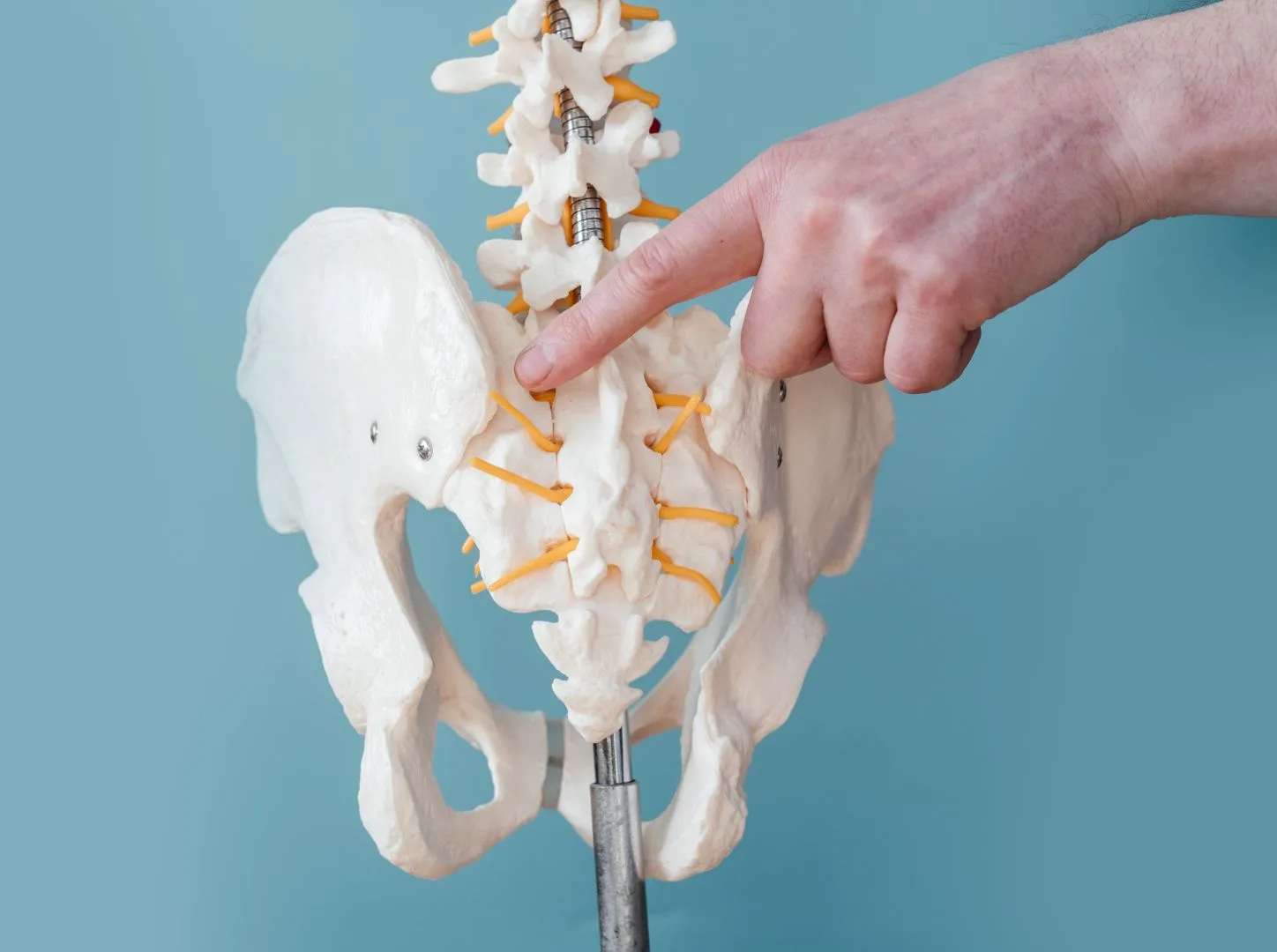
The sacroiliac (SI) joints sit where the sacrum meets the pelvis, one on each side of the lower back, transferring weight between the upper body and the legs.
When an SI joint becomes painful, it can cause discomfort near the joint itself or refer pain into the hip, buttock, groin, abdomen, or leg. It often mimics disc pain, sciatica, facet pain, or hip pain, which is exactly why confirmation matters.
A sacroiliac joint injection places medication into the joint, usually a local anesthetic and sometimes a corticosteroid. Diagnostic: if your usual pain improves shortly after the numbing medication, the SI joint is likely contributing. Therapeutic: the steroid may reduce inflammation for longer-lasting improvement.
Afterward you may be asked to move in the ways that usually trigger your pain and track your response in a pain diary, turning the injection into a clear answer about your pain's origin.
The SI joint can be irritated by arthritis, injury, repetitive stress, pregnancy-related pelvic changes, prior lumbar surgery, or leg-length differences. Dr. Nair's evaluation accounts for all of it before recommending treatment.
SI joint pain masquerades as sciatica, disc, facet, or hip pain. This injection distinguishes it definitively.
Contrast dye confirms the needle is truly inside the SI joint before any medication is delivered.
When effective, patients typically notice improvement within two to five days of the injection.
One procedure both answers where the pain comes from and begins treating the inflammation behind it.
Am I a candidate for an SI joint injection?
Pain where your spine meets your pelvis needs a confirmed source, not a guess.
SI joint pain can resemble disc pain, sciatica, lumbar facet pain, or hip pain, so a medical evaluation is needed to confirm whether the joint is involved. You may be evaluated for an injection if you experience symptoms such as these.
Lower Back & Pelvic Pain
Pain in the lower back, often near one side of the pelvis.
Buttock & Hip Pain
Discomfort in the buttock and hip on the affected side.
Groin or Leg Pain
Pain may extend into the groin or travel into the thigh or leg.
Pain When Changing Position
Pain when standing from a seated position or turning in bed.
Pain With Activity
Discomfort with walking, climbing stairs, or after prolonged sitting or standing.
Pain Unlike Muscle Soreness
Pain that feels different from typical muscle soreness and is hard to pinpoint.
Common questions about sacroiliac joint injections
The sacroiliac joint is located where the lower spine meets the pelvis. There is one SI joint on each side of the lower back and buttock region. These joints help transfer weight between the upper body and legs.
What is a sacroiliac joint?
The sacroiliac joint is located where the lower spine meets the pelvis. There is one SI joint on each side of the lower back and buttock region. These joints help transfer weight between the upper body and legs.
Ready when you are.
Name the Joint.
Calm the Pain.
If lower back, hip, or buttock pain keeps evading diagnosis, an SI joint injection can confirm the source and start relieving it, all in one visit.
Prefer to talk? Call (502) 995-4004, answered 24/7.
Medically reviewed by Ajith Nair, M.D., Founder & Medical Director at Kentuckiana Pain Specialists. This page is for education and is not a substitute for a personalized medical consultation.
Last medically reviewed July 2026Updated