
Targeted care for lower back, hip, buttock, groin, and referred leg pain. Image-guided injections to help confirm whether the sacroiliac joint is contributing to your symptoms and to reduce inflammation in the affected area.
The sacroiliac (SI) joint sits where the sacrum meets the pelvis, with one joint on each side of the lower back and buttock. These joints transfer weight between the upper body and the legs and allow limited, supportive movement. When an SI joint becomes painful, it can cause discomfort near the joint or refer pain into the hip, buttock, groin, abdomen, or leg.
A sacroiliac joint injection is a minimally invasive procedure that places medication into the SI joint, usually a local anesthetic and sometimes a corticosteroid. It may serve two purposes:
Relief may begin soon after the injection, although pain can temporarily return before the anti-inflammatory medication takes effect.
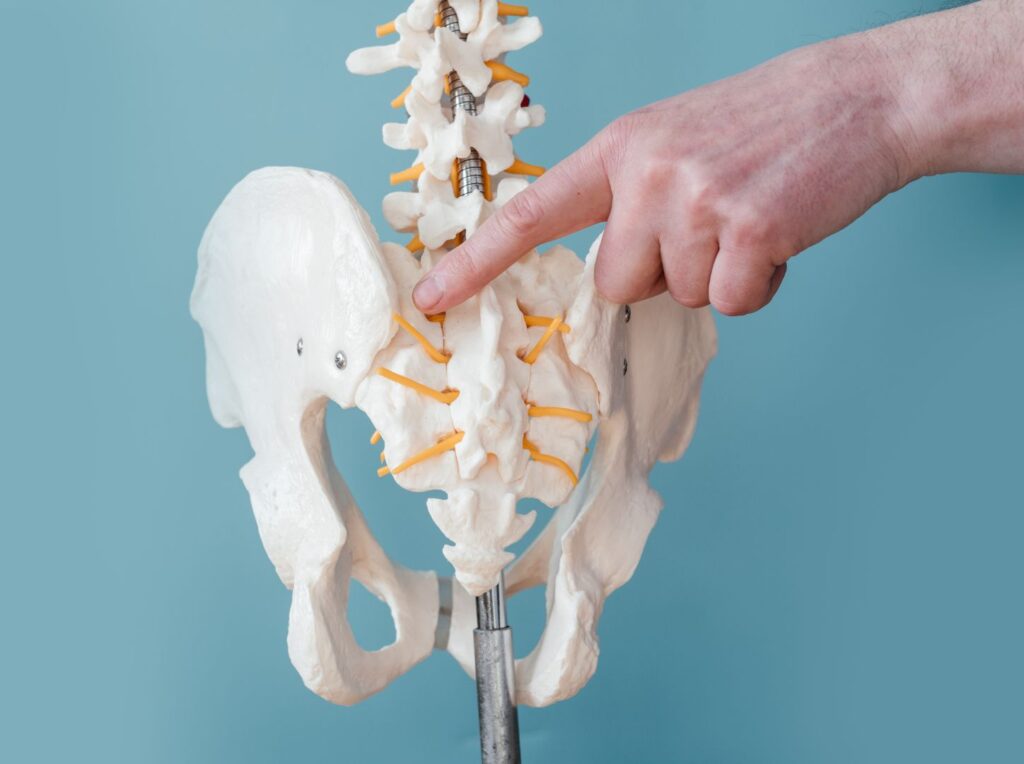
The SI joint may be irritated by arthritis, injury, repetitive stress, pregnancy-related pelvic changes, prior lumbar spine surgery, leg-length differences, or abnormal walking patterns. You may be evaluated for an injection if you experience symptoms such as these. SI joint pain can resemble disc pain, sciatica, lumbar facet pain, or hip pain, so a medical evaluation is needed to confirm whether the joint is involved.
Pain in the lower back, often near one side of the pelvis.
Discomfort in the buttock and hip on the affected side.
Pain may extend into the groin or travel into the thigh or leg.
Pain when standing from a seated position or turning in bed.
Discomfort with walking, climbing stairs, or after prolonged sitting or standing.
Pain that feels different from typical muscle soreness and is hard to pinpoint.
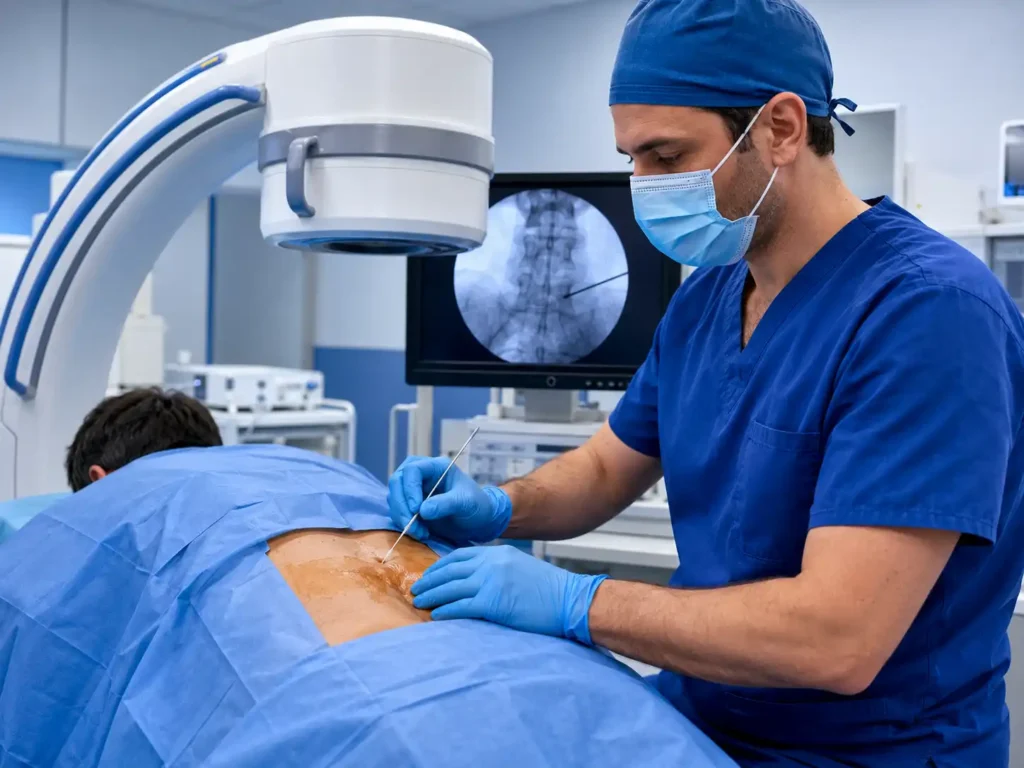
If needed, an IV may be started so relaxation medication can be given. You lie on an X-ray table and the skin over the lower back and buttock is cleaned, then numbed with local anesthetic, which may sting briefly.
Using X-ray guidance, Dr. Ajith Nair directs a small needle into the sacroiliac joint. A few drops of contrast dye may confirm correct placement before a mixture of numbing and anti-inflammatory medication is slowly injected. It is typically an outpatient procedure.
Sacroiliac joint injections can provide both diagnostic information and, in some cases, symptom relief. They are not a guaranteed cure but one part of a broader pain management plan. Results vary, and as with any injection there are possible risks such as temporary soreness, bruising, bleeding, infection, a brief increase in pain, or short-term numbness, though serious complications are uncommon.
Recovery is usually straightforward. Here is what most patients can expect in the hours and days after a sacroiliac joint injection.
About 20 to 30 minutes after the procedure, you may be asked to move your back, hips, or legs in ways that usually cause pain to check whether symptoms improve. You may also be asked to track relief in a pain diary over the next week.
Temporary numbness, slight leg weakness, or an unusual sensation may last a few hours. A brief increase in pain over several days can occur before the steroid takes effect. Ice usually helps more than heat for the first two to three days. Improvement, when it occurs, often begins within two to five days, and relief duration varies from person to person.
Most patients resume regular medications, but you may be asked to limit pain medication for four to six hours to keep diagnostic results accurate. Do not stop blood thinners or chronic medications unless instructed. Avoid driving and strenuous activity on the day of the injection, then return to light activity the next day and increase exercise gradually.
Your provider may recommend physical therapy while pain is reduced, focusing on pelvic stability, core and hip strength, flexibility, and safer movement patterns to support long-term function.
At Kentuckiana Pain Specialists, cancer pain management is approached with compassion, safety, and clear communication. Our team works to understand your pain source, current treatment plan, medication use, and quality-of-life goals, and discusses advanced options when appropriate to improve comfort while supporting your overall cancer care plan.
If you or a loved one is experiencing cancer-related pain, schedule a consultation with Kentuckiana Pain Specialists to discuss advanced pain management options. Call (502) 995-4004 today.