Chronic pain changes the rhythm of your life in ways that feel subtle at first, then suddenly unavoidable. That sharp pull in your lower back makes simple tasks feel heavier. Recurring neck stiffness turns something as small as checking your rearview mirror into an irritating challenge. But you’ve reached a point where just managing isn’t enough—you want to resolve it for good. This mindset shift is huge. The next step is finding a clinical team that gets it. A great pain clinic in Louisville doesn’t just offer procedures; it provides a clear path to long-term relief.
Many patients reach a point where temporary fixes no longer feel acceptable, and they want a plan that explains the cause of the pain rather than offering a short-term patch. You deserve clarity, personalization, and treatments that respond to your daily life.
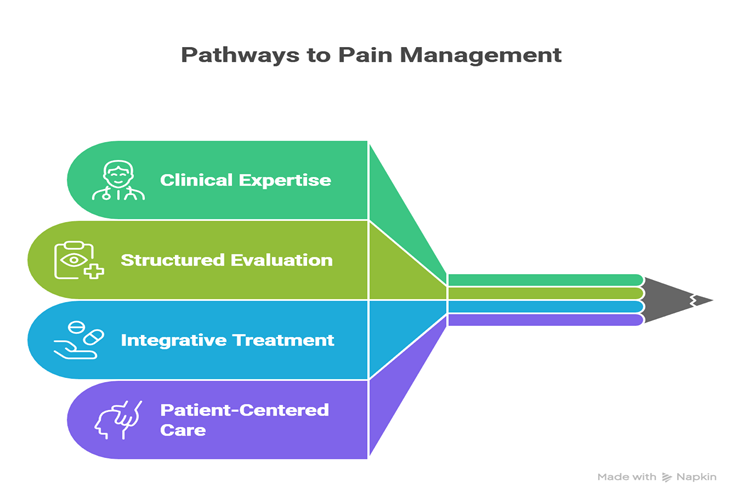
As you move through this blog, you will see how clinical expertise, structured evaluation, and integrative care shape the results you should expect when you begin searching for a pain clinic in Louisville. By the end, you will know the exact qualities that distinguish reliable pain care from routine appointments.
Understanding the Scope of Chronic Pain
When pain lingers for weeks, months, or even years, it crosses a threshold and becomes chronic. This isn’t just about the physical sensation; it’s a condition that can reshape your entire life, affecting your mood, your relationships, and your ability to enjoy daily activities. Affecting at least 100 million Americans, chronic pain is a widespread health issue that often feels isolating. It can manifest as persistent neck pain that makes driving difficult, sciatica that prevents you from sitting comfortably, or joint pain that turns a simple walk into a challenge. The goal of effective pain management isn’t just to numb the discomfort but to understand its source and create a sustainable plan for relief.
Finding the right approach starts with recognizing that chronic pain is a complex medical condition, not just a symptom that will eventually fade on its own. It often involves changes in the nervous system that make it more sensitive to pain signals, which is why a one-size-fits-all solution rarely works. A comprehensive strategy requires a specialist who can diagnose the underlying cause and offer advanced pain management treatments tailored to your specific needs. Whether it’s through targeted injections, nerve blocks, or other innovative therapies, the focus is on restoring function and improving your quality of life, helping you get back to the things you love without being defined by your pain.
Differentiating Acute vs. Chronic Pain
It’s important to understand the difference between acute and chronic pain because they require very different treatment approaches. Acute pain is your body’s alarm system—it’s a direct, short-term response to an injury or illness, like the sting from a cut or the ache of a sprained ankle. It serves a purpose by telling you to stop, rest, and heal. Chronic pain, however, persists long after the initial injury should have healed, often lasting for three months or more. The alarm keeps ringing even when there’s no immediate danger, becoming a condition in itself. This distinction is crucial because treatments for acute pain often don’t address the root causes of chronic pain, which may involve the nerves and brain.
The National Impact of Chronic Pain
While chronic pain is a deeply personal experience, its effects are felt on a much larger scale. It’s estimated to cost the U.S. economy over $600 billion each year in medical care and lost productivity, highlighting just how many lives it touches. But beyond the statistics, the real impact is measured in missed family gatherings, hobbies set aside, and careers put on hold. It affects not just the individual but also their loved ones and community. Recognizing this broader impact underscores the importance of seeking specialized care. When you work with our doctors, you’re not just treating a symptom; you’re taking a critical step toward reclaiming your life from a condition that takes a toll on you and those around you.
How Specialized Clinical Experience Shapes Patient Outcomes
Building a Strong Foundation for Patient Care
Patients often tell us that by the time they arrive at our clinic, they have already tried several treatments with limited success. Nearly 42 percent of the new patients we saw earlier this year reported that they had never undergone interventional diagnostics before meeting our team, even though they had been in pain for more than six months. This highlights a significant issue. When the early stages of evaluation are incomplete, the entire treatment process becomes reactive instead of strategic.
Our clinicians focus on building context from the moment you walk in. Two people can report identical pain patterns and still require entirely different treatment models. This is one reason patients comparing providers often prioritize the experience level behind a pain clinic in Louisville, and why comprehensive assessments matter so much to long-term improvement.
Why Deep Experience Changes Treatment Decisions
We regularly encounter cases where a previous diagnosis did not capture the trustworthy source of pain. For example, earlier this year, we evaluated a patient who was suspected of having a muscle strain in the thoracic region. A structured series of assessments pointed instead to a facet joint problem.
A single radiofrequency procedure resulted in nearly 60 percent improvement within six weeks, proving how targeted treatment can outperform generalized care. These real-world outcomes help guide our approach to every new patient and illustrate why clinical experience is one of the strongest predictors of treatment success for those seeking a pain clinic in Louisville.
A Conservative and Collaborative Philosophy
Prioritizing Non-Surgical and Non-Narcotic Solutions
A responsible pain management philosophy always begins with the most conservative and effective options first. The goal isn’t to jump to invasive procedures or rely on long-term narcotic use, but to find a sustainable path toward relief. This patient-first mindset means exploring a full spectrum of non-surgical treatments and procedures designed to target the source of your pain with precision. By prioritizing methods like therapeutic injections, nerve blocks, and physical therapy, a clinic demonstrates its commitment to your long-term well-being over temporary fixes. This approach ensures that every step is measured and intentional, reserving more intensive treatments only for when they are truly necessary.
A Team-Based Approach to Your Care
Chronic pain is rarely a simple, one-dimensional problem, which is why your care shouldn’t be, either. The most effective pain clinics operate with a team-based approach, where different specialists collaborate to understand your unique situation from multiple angles. This ensures your treatment plan is comprehensive and considers all contributing factors. It’s a philosophy built on communication and shared expertise, where your care is managed by a coordinated team dedicated to your progress. At Kentuckiana Pain Specialists, our team works together to create a personalized roadmap for every patient, ensuring you feel supported and understood throughout your entire journey.
Commitment to Advanced Medical Knowledge
The field of pain management is constantly evolving, with new research and technologies offering better ways to diagnose and treat chronic conditions. A clinic’s commitment to advanced medical knowledge is a direct reflection of its dedication to patient outcomes. When a provider actively incorporates the latest evidence-based practices, it means you have access to a wider and more effective set of tools. This goes far beyond just prescribing medication; it involves leveraging sophisticated diagnostic techniques to pinpoint the exact cause of pain and utilizing innovative procedures that were unavailable just a decade ago. This commitment ensures your treatment plan is built on the most current and effective medical science available.
This dedication to innovation is what allows clinics to offer life-changing solutions for complex conditions. For instance, treatments like Radiofrequency Ablation can provide long-lasting relief for joint pain by targeting specific nerves, while Spinal Cord Stimulation offers a revolutionary way to manage chronic back and leg pain for those who haven’t found success with other methods. Having access to these advanced options means you are not limited to traditional approaches. Instead, you can explore cutting-edge therapies that are tailored to your specific needs, opening up new possibilities for managing your pain and reclaiming your quality of life.
Clinical Approaches Rooted in Integrative and Interventional Medicine
Why Modern Pain Care Requires Multiple Treatment Pathways
As you continue to explore what defines a successful care approach, it becomes clear that pain treatment must extend beyond a single method. According to feedback gathered earlier this year, almost one in three new patients reported receiving medication alone before coming to us. Single-step strategies often miss opportunities to address the deeper causes of pain. This is where integrative care becomes essential.
Dr. Ajith Nair’s background includes board certification in both integrative medicine and interventional pain management. That combination allows us to choose from a broader range of therapies, each tailored to your condition rather than applied by default. Some patients benefit from radiofrequency ablation, while others respond to acupuncture, spinal cord stimulation, or a blend of physical and metabolic support. This flexibility is one of the defining strengths of a modern pain clinic in Louisville.
How Personalized Plans Support Long-Term Stability
By now, you have seen how integrative and interventional methods work together. The next crucial component is personalization. Every treatment plan begins with a complete evaluation of your symptoms, history, and lifestyle. When we reviewed a lumbar pain case last spring, the combination of diagnostic nerve blocks and acupuncture produced a 40 percent improvement in four weeks. The success did not come from guessing. It came from selecting the right tools for that individual’s needs.
Treatments That Reflect Our Integrated Model
- Radiofrequency ablation for nerve or facet-related pain
- Acupuncture for tension-driven patterns and nonpharmacological support
- Intrathecal pain pump implants for patients who need targeted medication delivery
- Spinal cord stimulation for nerve-based discomfort
- IV nutrition therapy for metabolic reinforcement during recovery
Each option plays a role within a structured plan, not as a standalone intervention. This systematic pairing of tools gives patients the clarity and confidence they expect when searching for a pain clinic in Louisville.
Non-Interventional Therapies
Before considering more advanced procedures, a strong treatment plan often starts with non-interventional therapies. This approach combines methods like physical therapy, specialized pain medicine, and lifestyle adjustments to address chronic pain without invasive measures. The goal is to build a foundation for recovery by strengthening your body and giving you the tools to manage your symptoms effectively. It’s a collaborative process that respects your body’s natural healing capabilities while providing structured support. This initial phase helps us understand how your body responds, creating a clear path forward for any additional treatments you may need.
Physical Therapy
Physical therapy is a cornerstone of effective pain management, focused on restoring mobility, improving strength, and increasing your overall function. A skilled therapist guides you through targeted exercises and movements designed to address the root cause of your discomfort, whether it’s from an injury, a chronic condition, or post-surgical recovery. For many people dealing with persistent back pain or stiff joints, a consistent physical therapy regimen is essential for long-term relief. It’s not just about doing exercises; it’s about re-educating your body to move in healthier, less painful ways, empowering you to regain control over your daily activities.
Behavioral Therapy
Living with chronic pain takes a toll not just on your body, but on your mental and emotional well-being, too. Behavioral therapy acknowledges this connection by providing you with practical strategies to cope with the psychological stress of ongoing pain. This isn’t about suggesting the pain is “in your head.” Instead, it’s about learning techniques like mindfulness, relaxation, and cognitive reframing to manage your response to pain signals. By addressing the anxiety, frustration, and depression that often accompany chronic conditions, you can improve your quality of life and feel more resilient in your journey toward relief.
Lifestyle and Nutritional Changes
The small choices you make every day can have a significant impact on your pain levels. Simple changes to your daily habits, from improving your sleep hygiene to incorporating gentle movement, can create a positive ripple effect. Nutrition is another powerful tool, as certain foods can either contribute to or reduce inflammation throughout your body. At Kentuckiana Pain Specialists, we recognize the importance of this whole-body approach. We even offer services like IV Nutrition Therapy to support your body’s metabolic needs and enhance your overall well-being as part of a comprehensive and personalized treatment plan.
Specialized Inpatient Treatments
For some individuals, pain becomes so severe or complex that it requires more intensive, specialized treatments. These advanced procedures are designed to deliver targeted relief when other methods haven’t provided the desired results. Options like epidural infusions and peripheral nerve injections work by addressing the specific nerves or areas responsible for your pain signals. These treatments are performed with precision by a specialist to ensure the medication reaches the exact source of your discomfort, offering a more direct and often more effective solution for persistent and debilitating pain.
Epidural Infusions
When inflammation around the spinal nerves is causing radiating pain, such as with sciatica, an epidural infusion can provide significant relief. This procedure involves injecting medication, typically a steroid and an anesthetic, directly into the epidural space in your spine. This approach allows the medicine to work right at the source of the inflammation, calming irritated nerves and reducing pain signals. An epidural steroid injection is a common and effective way to manage severe back and leg pain, often providing enough relief to allow you to participate more fully in physical therapy and other rehabilitative treatments.
Peripheral Nerve Blocks
If your pain is concentrated in a specific area, like an arm, leg, or joint, a peripheral nerve block may be an excellent option. This treatment involves injecting numbing medication near the specific nerve or group of nerves that are sending pain signals to your brain. By “blocking” these signals, the procedure can provide immediate and targeted pain relief. In addition to providing comfort, these injections can also serve a diagnostic purpose. A diagnostic nerve block helps your doctor confirm which nerve is causing your pain, leading to a more accurate diagnosis and a more effective long-term treatment plan.
What Sets Our Treatment Process Apart From Other Clinics?
A Focus on the Patient Experience
While clinical expertise and advanced treatments are the foundation of effective pain management, the quality of your experience as a patient is just as critical. Dealing with chronic pain is already draining, and the last thing you need is a clinical environment that feels cold, confusing, or dismissive. A truly great pain clinic understands that healing is influenced by how you feel during your visit—whether you feel heard, respected, and supported. From the first phone call to your follow-up appointments, every interaction should contribute to a sense of confidence and comfort, assuring you that you are in the right hands.
Efficient Check-Ins and Minimal Wait Times
Your time is valuable, and when you’re living with pain, sitting in a waiting room can feel particularly taxing. A clinic that prioritizes efficient processes demonstrates respect for its patients. Smooth, quick check-ins and minimal wait times do more than just add convenience; they reduce the stress and physical discomfort that can escalate while you wait. This level of organization shows that a practice is dedicated to making your entire treatment journey as seamless as possible. It sets a positive and professional tone for your visit, allowing you to focus on your health instead of the clock. Our patient center is designed to streamline this process before you even arrive.
A Friendly, Helpful, and Knowledgeable Staff
Chronic pain can feel isolating, which is why the people you interact with at your clinic matter so much. A warm, compassionate, and knowledgeable team can transform your entire experience. When the staff is genuinely helpful and takes the time to listen, it builds a foundation of trust that is essential for effective care. You should feel comfortable explaining your symptoms and asking questions without feeling rushed. At Kentuckiana Pain Specialists, our entire team, from the front desk to our clinical staff, is committed to creating a supportive atmosphere where you feel understood and valued as an individual, not just a case file.
Involving Family in the Care Process
Pain doesn’t just affect you; it impacts your family and loved ones. A forward-thinking clinic recognizes the importance of this support system and welcomes family involvement in the care process. When your family understands your diagnosis, treatment plan, and limitations, they can offer more effective support at home. Clear communication from your doctor ensures everyone is on the same page, empowering you and your loved ones to make informed decisions together. This collaborative approach strengthens your personal support network, which is a vital part of achieving long-term relief and improving your quality of life, a sentiment often shared in our patient testimonials.
Designing a Plan You Can Follow in Real Life
Next comes the most crucial part of the patient journey: applying clinical insight to practical steps you can understand and follow. A clear treatment plan helps you track progress, stay motivated, and recognize which improvements come from which interventions. Consistency is often the difference between temporary relief and meaningful improvement, so we guide you through every step of the process.
Treatment planning begins with a detailed consultation that considers your medical history and daily habits. From there, targeted diagnostics help us locate the source of your pain rather than simply treating the area where it appears. We then develop a plan that combines interventional treatments with supportive methods to enhance your function. This structured approach helps patients understand what to expect from a pain clinic in Louisville and gives them a reliable path forward.
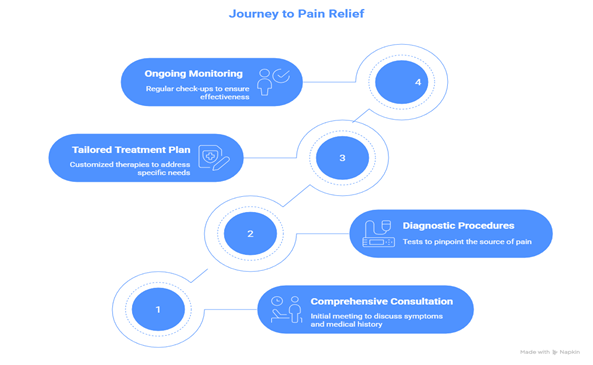
Steps Patients Commonly Follow During Treatment
- A comprehensive consultation to understand symptoms and previous care
- Diagnostic procedures to identify the trustworthy source of pain
- A tailored plan combining interventional, holistic, or supportive therapies
- Ongoing monitoring to ensure each phase of treatment remains effective
These steps build momentum as the plan progresses. They also help reduce uncertainty and give you a clear view of your progress over time. Many patients appreciate having a defined structure when evaluating a pain clinic in Louisville because it helps set realistic expectations for long-term success.
Preparing for a New Stage in Your Pain Management Journey
What Patients Should Expect as They Begin Treatment
As you reach this stage in the process, preparation plays a crucial role. You can expect complete transparency during appointments, with every treatment clearly explained in understandable terms. You should also expect a plan that prioritizes both short-term relief and long-term function.
An adequately designed treatment plan helps reduce flare-ups, supports mobility, and improves your ability to complete daily activities. These expectations help you fully understand the type of care you will receive when choosing a pain clinic in Louisville.
Key Points to Keep in Mind Before Scheduling
- Pain patterns vary widely, even among similar diagnoses
- Integrative therapies often strengthen interventional results
- Interventional procedures target specific pain generators
- Continuous monitoring improves outcomes
- Every decision should reflect your goals and comfort level
With these points in mind, you can move forward with confidence and clarity as you prepare for the next step in your pain care.
Conclusion
Take the next step toward meaningful relief by working with a team focused on precision, long-term results, and genuine patient support. Kentuckiana Pain Specialists offers evidence-based evaluations and personalized treatment plans designed to help you regain comfort and mobility.
To schedule your visit, call us at (502) 995-4004. You can find us at 3710 Chamberlain Ln, Suite A, Louisville, KY 40241, or at our second location at 650 W Lincoln Trail Blvd, Radcliff, KY 40160. You can view both locations on Google Maps for convenient directions.
FAQs
Serving Louisville, Elizabethtown, and Surrounding Communities
Understanding the principles of high-quality pain management is the first step, but finding that care right here in your community is what makes a real difference. For those living with chronic pain in Louisville, Elizabethtown, and the surrounding areas, access to specialized, patient-first treatment is not just a possibility—it’s a local reality. The right clinic combines advanced medical knowledge with a genuine commitment to the people it serves, ensuring your path to relief is both effective and convenient.
A Commitment to Local, Personalized Care
Effective pain management is never one-size-fits-all. A truly personalized treatment plan considers not only your medical history but also your daily life and goals. It’s about helping you return to the activities you love, whether that’s enjoying a walk through your neighborhood or simply getting through a workday without discomfort. This is where a dedicated local team shines. At Kentuckiana Pain Specialists, we build a partnership with each patient, grounded in trust and a shared commitment to improving your quality of life. Our team, led by Dr. Ajith Nair, focuses on understanding your unique situation to create a strategy that fits your life.
Comprehensive Treatment Options Close to Home
Living with chronic pain is difficult enough without the added stress of traveling long distances for specialized care. Having a full range of advanced treatments available locally is a crucial part of a successful recovery. Whether you are dealing with debilitating neck pain, sciatica, or complex joint issues, our clinics in Louisville and Radcliff provide a diverse set of solutions. From precise diagnostic procedures that identify the source of your pain to innovative therapies like radiofrequency ablation, our aim is to deliver the most effective care right where you need it, making your treatment journey as seamless as possible.
Building a Healthier Community, One Patient at a Time
Our work is deeply rooted in the well-being of the communities we serve. We believe that when we help an individual find relief from chronic pain, the positive impact extends to their family, workplace, and neighborhood. A successful treatment plan means a grandparent can lift their grandchild again, a friend can rejoin their weekly walking group, and a community member can participate more fully in local life. We view every patient’s progress as a contribution to a healthier, more vibrant Kentuckiana. The powerful stories from our patients constantly reinforce our dedication to providing compassionate and life-changing care.
Key Takeaways
- Prioritize Pinpoint Diagnostics: Lasting relief depends on identifying the exact source of your pain, not just masking symptoms. A thorough evaluation is the first step toward a treatment plan that actually works.
- Integrated Care Delivers Better Results: The most effective treatment plans combine multiple strategies, such as interventional procedures, physical therapy, and lifestyle support. A single-method approach often falls short of providing long-term stability.
- A Supportive Patient Experience is Non-Negotiable: Healing is about more than just procedures. Look for a clinic where the team listens, communicates clearly, and respects your time, as this builds the trust needed for a successful recovery.
Related Articles
- Pain Clinic Louisville: What to Expect & Find Relief
- Pain Clinic in Louisville: Treatments Changing Daily Lives – Kentuckiana Pain Specialists
- What Makes Kentuckiana Pain Specialists the Leading Pain Clinic in Louisville? – Kentuckiana Pain Specialists
- Pain Management in Louisville | Kentuckiana Pain Specialists
- Pain Management – Who Is Eligible? – Kentuckiana Pain Specialists