Spinal Cord Stimulation

Serious Signs of Joint Pain You Shouldn’t Ignore

Joint pain can do more than just cause physical discomfort; it can slowly shrink your world. It might start by making you skip your evening walk, then it keeps you from playing with your grandkids, and soon you’re avoiding stairs altogether. This loss of mobility and freedom is often accompanied by clear physical warnings. Recognizing these signs of joint pain, whether it’s a feeling of instability or pain that worsens with activity, is crucial. You don’t have to let discomfort dictate your life. Effective, long-term treatments are available to help you get back to doing what you love with confidence.

Joint pain is a common problem, but that doesn’t mean you should consider it normal. Whether you have pain in your neck, back, knees, or hips, your symptoms can develop for numerous reasons. Plus, there are treatments available, and sometimes, joint pain can be a sign of something more serious. At Kentuckiana Pain Specialist, Dr. Ajith Nair specializes in joint health and offers a wide range of treatment options, from alternative therapies to more traditional pain management solutions. That means you can get the treatment you need that provides long-term results. Here we explain the signs that could indicate your joint pain is a serious medical concern.

Understanding the Symptoms of Joint Pain

Joint pain can show up in many different ways, and paying close attention to the specifics is the first step toward finding relief. It’s easy to dismiss an ache or stiffness as a normal part of life, but these feelings are your body’s way of communicating. Understanding the language it’s speaking—whether the pain is constant or intermittent, sharp or dull—can help you and your doctor pinpoint the underlying cause. Recognizing these signs empowers you to seek the right care before a minor issue becomes a major problem. At Kentuckiana Pain Specialists, we believe that a precise diagnosis is the foundation of effective treatment, which is why we start by listening carefully to your unique experience.

Specific Sensations You Might Feel

The actual sensation of your joint pain provides critical clues about its origin. It’s rarely just a simple ache; more often, it’s a complex mix of feelings that can shift with activity or time of day. Is it a deep, throbbing pain that suggests inflammation, or a sharp, burning sensation that might point to nerve involvement? Describing these feelings accurately makes a significant difference when you speak with a specialist. Keeping a mental or written note of whether the pain is dull, sharp, burning, or grating helps create a clearer picture of your condition, allowing for a more targeted and effective approach to your care.

Constant vs. Intermittent Pain

Joint pain isn’t a one-size-fits-all experience. It can be a constant, nagging ache that never seems to let up, or it can be intermittent, flaring up with certain activities or at different times of day. The Cleveland Clinic notes that joint pain can feel “stiff, achy, sore, burning, throbbing, or like a ‘grating’ sensation.” Paying close attention to *when* and *how* you feel pain is a crucial first step. Keeping a simple log of your symptoms can provide a pain specialist with valuable clues to pinpoint the root cause. Whether your pain is a steady companion or an unwelcome visitor, understanding its patterns helps create a more effective plan to manage your discomfort and get you back to your life.

Stiffness, Aching, and Burning

Beyond simple pain, you might notice other distinct sensations. Many people report feeling stiff, especially right after waking up. As the Cleveland Clinic points out, this stiffness often improves with a bit of movement, but overdoing it can make the pain worse. This can feel like a frustrating balancing act. You might also experience a deep, persistent ache or even a sharp burning feeling in the affected joint. These aren’t just minor annoyances; they are signals from your body that something is wrong. When these feelings persist, it’s a good idea to consult a professional who can help decipher what your body is trying to tell you and explore treatment options.

Sounds and Instability

Sometimes, the most telling symptoms of joint issues have less to do with pain and more to do with function. The sounds your joints make or a feeling of unsteadiness are significant indicators that something isn’t right mechanically. It’s easy to brush off a clicking knee or a wobbly ankle, especially if the pain isn’t constant. However, these signs can point to serious underlying problems with the joint’s structure, such as deteriorating cartilage or weakened ligaments. Paying attention to these physical warnings is crucial because addressing them early can prevent further damage and help you maintain your mobility and confidence for years to come.

Clicking, Popping, and Grinding

Do your joints make more noise than a bowl of cereal? Clicks, pops, and cracks can be perfectly normal, but when they’re accompanied by pain, it’s time to pay attention. According to Waterbury Hospital, while some joint noises are harmless, “frequent or painful sounds could mean the cartilage is wearing down or the joint isn’t working right.” That grinding sensation, known as crepitus, can be a sign of arthritis or other degenerative joint conditions. If your knees pop every time you stand up and it hurts, or your shoulder grinds with movement, don’t just ignore it. These audible cues can be an early warning sign that your joint needs support, and a specialist can recommend treatments like injections or therapies to help.

Weakness or a “Giving Out” Sensation

One of the more unsettling symptoms is when a joint feels like it can’t support you. This feeling of weakness or instability, as if your knee might buckle or your hip might “give out,” can be both frightening and dangerous. Waterbury Hospital explains that this sensation “could mean there are problems with ligaments or tendons” that are supposed to hold the joint steady. This isn’t just a feeling of tiredness; it’s a mechanical issue that can seriously affect your mobility and confidence in performing daily activities. If you find yourself hesitating to take the stairs or avoiding certain movements for fear of falling, it’s a clear sign that you need a medical evaluation to address the underlying instability and find a lasting solution.

What’s Causing Your Joint Pain?

A joint forms where two or more bones meet in your skeleton. Some joints stay fixed in place, like the ones in your skull. But most joints can move, like the ones in your hips, legs, and shoulders.

The ends of your moveable joints have a coating of cartilage that protects the joint, creates mobility, and keeps the bones from grating together. Your joints also get support, stability, and mobility from surrounding connective tissue, like muscles, ligaments, and tendons.

When you have joint pain, it can develop if any of the components in or around your joint become damaged or diseased. Common causes of joint pain include:

  • Sprains and strains
  • Tendinitis
  • Bursitis
  • Arthritis
  • Fibromyalgia

In most cases, arthritis is the leading cause of joint pain. More specifically, osteoarthritis. This type of arthritis — often referred to as “wear-and-tear” arthritis — develops over time as the cartilage cushioning the joint degenerates. This deterioration creates bone-on-bone contact, which leads to pain, swelling, stiffness, and more cartilage degeneration.

Types of Arthritis

While “arthritis” is often used as a blanket term for joint pain, it actually refers to over 100 different conditions. Understanding the specific type you might be dealing with is the first step toward finding effective relief. The three most common forms are osteoarthritis, rheumatoid arthritis, and gout, each with its own distinct causes and symptoms. Identifying which one aligns with your experience can help you and your doctor create a more targeted and successful treatment plan for managing your discomfort and improving your mobility.

Osteoarthritis

Often called “wear-and-tear” arthritis, osteoarthritis is the most prevalent form of the condition. According to the Cleveland Clinic, “Osteoarthritis happens when the protective cushion (cartilage) between your bones wears away over time, usually after age 45.” As this smooth cartilage deteriorates, the bones can start to rub against each other, causing pain, stiffness, and swelling. This condition typically affects weight-bearing joints like the knees, hips, and spine, but it can also impact the hands and fingers. The pain often worsens with activity and improves with rest, making everyday tasks feel challenging.

Rheumatoid Arthritis (RA)

Unlike osteoarthritis, rheumatoid arthritis is an autoimmune disease. This means your body’s immune system mistakenly attacks the lining of your joints, leading to inflammation. As the Cleveland Clinic notes, “Rheumatoid Arthritis is a long-lasting disease that causes swelling and pain, often making fingers and wrists change shape.” RA typically affects joints symmetrically, meaning if your right wrist is affected, your left one probably is too. It can cause chronic pain, stiffness that is often worse in the mornings, and fatigue. Because it’s a systemic disease, it can also affect other parts of the body.

Gout

Gout is another type of inflammatory arthritis known for its sudden and severe attacks of pain. The Cleveland Clinic describes it as “a painful condition where acidic crystals build up in a joint, usually the big toe, causing severe pain and swelling.” These sharp, needle-like urate crystals form when there are high levels of uric acid in your blood. A gout attack can come on quickly, often waking you up in the middle of the night with the sensation that your big toe is on fire. The affected joint becomes hot, swollen, and so tender that even the weight of a sheet can seem unbearable.

Inflammation-Related Conditions

Sometimes, joint pain isn’t caused by a problem within the joint itself but by inflammation in the surrounding supportive tissues. Conditions like bursitis and tendinitis are common culprits, arising from irritation or overuse of the soft tissues that help your joints move smoothly. These issues often develop in response to repetitive motions from work, sports, or hobbies. While they can be quite painful, they are typically treatable with rest, targeted therapies, and adjustments to the activities that caused the inflammation in the first place.

Bursitis

If your pain is centered around a specific joint and feels like a dull ache, you might be experiencing bursitis. This condition occurs when the small, fluid-filled sacs called bursae, which cushion your bones, tendons, and muscles, become inflamed. As the Cleveland Clinic explains, “Bursitis is inflammation from overuse, often in the hip, knee, elbow, or shoulder.” Repetitive motions are a primary cause, such as repeatedly lifting something over your head or leaning on your elbows for long periods. The area may feel stiff, achy, and tender to the touch, with pain that often intensifies with movement.

Tendinitis

Tendinitis is another overuse-related issue, but it affects your tendons rather than your bursae. Tendons are the thick, fibrous cords that attach your muscles to your bones. When they become inflamed or irritated, it results in tendinitis. The Cleveland Clinic states, “Tendinitis is inflammation of tendons… from overuse, often in the elbow, heel, or shoulder.” You might know it by common names like “tennis elbow” or “swimmer’s shoulder.” The pain is typically a dull ache concentrated around the affected joint, especially when you move it, and the area may be tender and mildly swollen.

Other Common Causes

Beyond arthritis and inflammation, joint pain can stem from a variety of other sources. Acute events like accidents or illnesses can trigger significant discomfort that requires medical attention. These causes are often sudden and can be linked to a specific incident or a broader health issue. Pinpointing these triggers is crucial, as the treatment approach for an injury will differ greatly from managing pain caused by an underlying infection. Recognizing the full spectrum of potential causes ensures you seek the right kind of care.

Injuries

Sometimes the cause of joint pain is straightforward. According to the Cleveland Clinic, “Joint pain can also arise from injuries like broken bones or sprains.” A fall, a sports-related accident, or any direct blow to a joint can damage the bones, ligaments, or cartilage, leading to immediate pain and swelling. Even after an injury heals, it can leave a joint more susceptible to long-term problems like post-traumatic arthritis. Getting a proper diagnosis and following a complete rehabilitation plan is essential for minimizing chronic issues down the road.

Viral Infections

Have you ever felt achy all over when you have the flu? That’s because joint pain can be a symptom of a systemic illness. The Cleveland Clinic notes that “other causes include viral infections, rashes, [and] fever.” When your body is fighting off a virus, your immune system releases inflammatory signals that can cause temporary aches and pains in your joints and muscles. While this discomfort usually subsides as you recover, some viruses can lead to longer-lasting symptoms. For instance, some individuals experience persistent issues after a COVID-19 infection, which may require specialized care like Post-COVID Symptom Relief.

Who is at Risk for Developing Joint Pain?

While anyone can experience joint pain at some point, certain factors can make you more susceptible. Your personal history, daily activities, and even your genetics can play a role in the health of your joints over time. Understanding these risk factors doesn’t mean pain is inevitable, but it can help you make informed choices to protect your joints and recognize when it’s time to seek professional advice. By being aware of what contributes to joint stress, you can take proactive steps toward maintaining your mobility and comfort for years to come.

Previous Injuries and Overuse

Your body has a long memory, and past events can significantly influence your future joint health. The Cleveland Clinic points out, “You’re more likely to have joint pain if you have past joint injuries or have repeatedly used or overused a muscle.” An old knee injury from high school sports, for example, can increase your risk of developing arthritis in that joint later in life. Similarly, jobs or hobbies that involve repetitive motions—like typing, construction work, or playing an instrument—can put continuous strain on specific joints, leading to inflammation and degeneration over time.

Age and Lifestyle Factors

Age is one of the most significant risk factors for joint pain, particularly osteoarthritis. As the Cleveland Clinic explains, “Problems often start after age 45 due to wear and tear.” Over decades of movement, the cartilage in your joints naturally begins to wear down. However, age isn’t the only factor. Lifestyle choices also play a crucial role. Carrying excess body weight puts additional stress on your hips, knees, and back, accelerating cartilage breakdown. A family history of arthritis can also increase your risk. The good news is that pain isn’t a mandatory part of aging, and many effective pain management treatments are available to help you stay active.

Serious Signs of Joint Pain You Shouldn’t Ignore

Even though many people experience joint pain, you shouldn’t put off seeing a doctor. You need an evaluation even more urgently if you have joint pain after an injury or from an unknown cause. 

If you’ve received an arthritis diagnosis, then you know what’s causing your joint pain. Even so, arthritis is a progressive condition, meaning it worsens over time. Signs that your arthritis may be more serious include:

  • Swelling or redness
  • Worsening pain
  • Decreasing the range of motion
  • Changing or deformity of the joint

Whether you have joint pain from an acute injury or a chronic condition, ignoring your symptoms won’t make them go away. In fact, delaying your treatment can make your problem worse, and you could lose control of the joint. 

When to See a Doctor

While some aches and pains can be managed at home, certain symptoms are red flags that require a professional evaluation. Paying attention to your body and recognizing these signs can help you get the care you need before a problem becomes more severe. If your joint pain is persistent, interferes with your daily life, or is accompanied by other concerning symptoms, it’s time to schedule an appointment with a specialist. A clear diagnosis is the first step toward an effective treatment plan that can restore your comfort and mobility.

Pain Accompanied by Fever or Chills

If your joint pain comes with a fever or chills, it could be a sign of an infection within the joint or a systemic inflammatory condition. These symptoms suggest your body is fighting something more serious than a simple sprain or wear-and-tear. When pain is so significant that it stops you from performing your usual activities, or if you notice a fever, don’t wait it out. Seeking prompt medical attention is essential to identify the underlying cause and prevent potential complications that could arise from an untreated infection or illness.

Unexplained Weight Loss

Losing weight without changing your diet or exercise routine might seem like a welcome surprise, but it can be a serious warning sign when it occurs alongside joint pain. Unexplained weight loss, typically defined as losing 10 pounds or more, can indicate an underlying medical condition that needs to be addressed by a healthcare provider. This combination of symptoms warrants a thorough investigation to rule out more serious issues and ensure you receive the appropriate care for your overall health, not just the joint pain itself.

When to Seek Immediate Medical Help

Some symptoms go beyond needing a scheduled appointment and require immediate medical attention. These are signs that something could be seriously wrong with the joint, such as a severe injury, infection, or a rapidly progressing condition. Recognizing these urgent warning signs is crucial for preventing long-term damage and getting swift, effective treatment. If you experience any of the following, it’s best to seek help from an urgent care center or emergency room right away to ensure the problem is addressed before it worsens.

Sudden Swelling, Redness, and Heat

If a joint suddenly becomes very swollen, red, and feels warm to the touch, it’s a major red flag. These are the classic signs of significant inflammation or a possible infection, such as septic arthritis, which requires urgent medical intervention. An infection in the joint can cause rapid and severe damage to the cartilage and bone if not treated quickly with antibiotics. Don’t dismiss these symptoms as a minor flare-up; they signal a serious issue that needs immediate evaluation by a medical professional to protect the health of your joint.

Visible Changes to the Joint

You know your body best, so if you notice a visible change in the shape or alignment of a joint, take it seriously. A deformity, coupled with severe and lasting pain or swelling, indicates that significant structural damage may have occurred. This could be the result of an untreated injury, advanced arthritis, or another condition that has compromised the joint’s integrity. Ignoring such obvious changes can lead to further instability and permanent loss of function, making it critical to seek immediate medical help for a proper diagnosis and treatment plan.

The Consequences of Untreated Joint Pain

It can be tempting to push through joint pain, hoping it will resolve on its own. However, ignoring persistent symptoms rarely leads to a good outcome. Untreated joint pain is not just a matter of enduring discomfort; it can set off a chain reaction of negative consequences that affect your physical health, mobility, and overall quality of life. Delaying a diagnosis and treatment allows the underlying cause to progress, often leading to more complex problems that are harder to manage down the road. Understanding the risks can motivate you to take proactive steps toward getting the care you need.

Risk of Permanent Joint Damage

One of the most significant risks of ignoring joint pain is the potential for permanent, irreversible damage. Conditions like osteoarthritis are degenerative, meaning they worsen over time. Without intervention, the protective cartilage in the joint continues to wear away, leading to bone-on-bone friction. This not only increases pain but can also cause bone spurs and joint deformities. Delaying treatment can mean missing the window for conservative measures to be effective, potentially leading to a future where more invasive procedures, like joint replacement surgery, are the only viable options left.

Loss of Mobility and Function

As joint damage progresses, your ability to move freely and perform everyday tasks can become severely limited. What starts as minor stiffness in the morning can evolve into chronic pain that makes it difficult to walk, climb stairs, or even grip a pen. This loss of function can have a profound impact on your independence and lifestyle. Ignoring the warning signs your body is sending can ultimately lead to a significant decrease in your range of motion, forcing you to give up activities you love and rely more on others for daily assistance.

Impact on Quality of Life

Chronic joint pain doesn’t just affect a single part of your body; it impacts every aspect of your life. The constant discomfort can disrupt your sleep, leading to fatigue and irritability. It can make it challenging to participate in social activities, leading to feelings of isolation and depression. The mental and emotional toll of living with untreated pain is substantial and can be just as debilitating as the physical symptoms. Seeking treatment is not just about managing pain—it’s about reclaiming your ability to live a full, active, and enjoyable life.

At-Home and Over-the-Counter Treatments

While it’s crucial to see a doctor for persistent or severe joint pain, there are several at-home strategies and over-the-counter options that can provide temporary relief for milder symptoms. These methods can be a great first line of defense or a helpful supplement to a professional treatment plan. They focus on reducing inflammation, soothing sore muscles, and improving joint flexibility. However, remember that these are meant for managing symptoms, not curing the underlying cause. If your pain continues or worsens, professional medical advice is always the best course of action.

Lifestyle Adjustments for Relief

Simple changes to your daily routine can make a significant difference in managing joint pain. These adjustments are focused on reducing stress on your joints while strengthening the muscles that support them. By incorporating gentle movement and therapeutic techniques into your day, you can help soothe discomfort and improve your overall joint health. These lifestyle modifications are often recommended by doctors as part of a comprehensive pain management plan because they are safe, effective, and empower you to take an active role in your own well-being.

Low-Impact Exercise

When your joints hurt, exercise might be the last thing on your mind, but gentle, low-impact movement is one of the best things you can do. Activities like swimming, water aerobics, walking, and cycling get your blood flowing and strengthen the muscles around your joints without putting excess strain on them. Stronger muscles act as better shock absorbers, taking pressure off the joints themselves. Regular movement also helps lubricate the joints and can reduce stiffness, improving your overall mobility and reducing pain over time.

Applying Heat and Ice

Using temperature therapy is a classic, effective way to manage joint pain, but it’s important to know when to use each. Ice is best for acute injuries or after an activity that causes swelling. Applying a cold pack for 15-20 minutes at a time helps constrict blood vessels, which can reduce inflammation and numb sharp pain. Heat, on the other hand, is ideal for chronic stiffness and achy muscles. A warm compress or a warm bath helps relax tight muscles and stimulate blood flow to the area, which can soothe persistent discomfort.

Non-Prescription Options

The pharmacy aisle offers several over-the-counter (OTC) options that can help you manage mild to moderate joint pain. These products are readily available and can provide convenient, short-term relief when you need it. From topical treatments that you apply directly to the skin to oral medications that work systemically, these options can help you get through a painful flare-up. It’s always a good idea to talk to your doctor or pharmacist before starting a new medication, even an OTC one, to ensure it’s safe for you.

Topical Gels and Ointments

For localized pain in a specific joint, topical treatments can be a great choice. These creams, gels, and patches are applied directly to the skin over the painful area. Many contain ingredients like menthol, which creates a cooling sensation that can distract from the pain, or capsaicin, which can block pain signals. Others contain nonsteroidal anti-inflammatory drugs (NSAIDs) that are absorbed through the skin to reduce local inflammation. They are a good option for people who want to avoid the potential side effects of oral medications.

Oral Pain Relievers

Oral pain relievers are another common choice for managing joint pain. The two main types are acetaminophen (like Tylenol) and NSAIDs (like ibuprofen and naproxen). Acetaminophen works by blocking pain signals in the brain, while NSAIDs reduce pain by targeting inflammation in the body. While effective for short-term relief, it’s important to use these medications as directed and be aware of potential side effects, especially with long-term use. If you find yourself needing them regularly, it’s a clear sign you should consult a doctor for a more sustainable solution.

How to Find Lasting Relief from Joint Pain

Dr. Nair is an experienced physician board-certified in integrative medicine and interventional pain management. Whenever possible, he starts with the most conservative treatments first, such as:

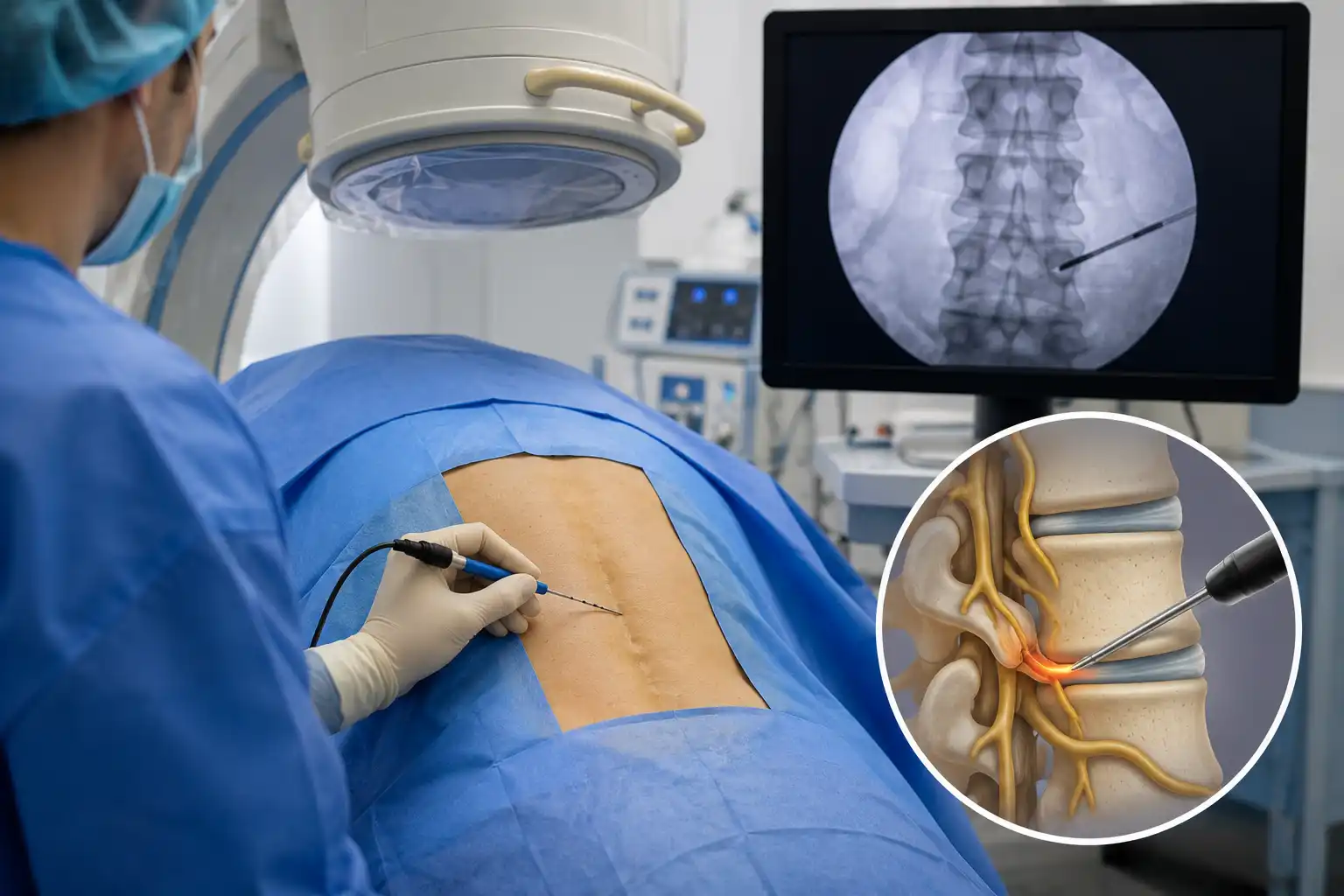
For joint pain causing nearby nerve compression, Dr. Nair may also recommend radiofrequency ablation. This therapy involves applying heat to the affected nerve to block pain signals to your brain.

Never ignore joint pain, especially if it worsens over time. To schedule a consultation with Dr. Nair at Kentuckiana Pain Specialists, contact us by phone or online today.  

The Importance of a Professional Diagnosis

While it might be tempting to search for your symptoms online and self-diagnose, getting a professional evaluation for joint pain is essential. Many different conditions can cause similar symptoms, and an accurate diagnosis is the first step toward finding effective relief. This is especially true if your pain appeared suddenly after an injury or doesn’t have a clear cause. A pain management specialist can pinpoint the exact source of your discomfort, whether it’s from wear-and-tear arthritis, an underlying inflammatory condition, or a soft tissue injury. Ignoring your symptoms or delaying treatment won’t make the problem disappear; in fact, it can allow the condition to worsen, potentially leading to more significant damage and loss of function in the joint.

Advanced Pain Management Procedures

Once you have an accurate diagnosis, you can explore treatment options that go beyond temporary fixes. At Kentuckiana Pain Specialists, Dr. Nair focuses on creating a personalized treatment plan that addresses your specific condition and goals. The approach often begins with conservative methods, such as physical therapy, anti-inflammatory medications, and targeted at-home exercises. These foundational treatments can be highly effective for many people. However, if your pain persists, more advanced interventional procedures may be recommended. These treatments are designed to target the source of the pain directly, offering more significant and longer-lasting relief so you can get back to your daily activities with greater comfort and mobility.

Injections for Joint Pain

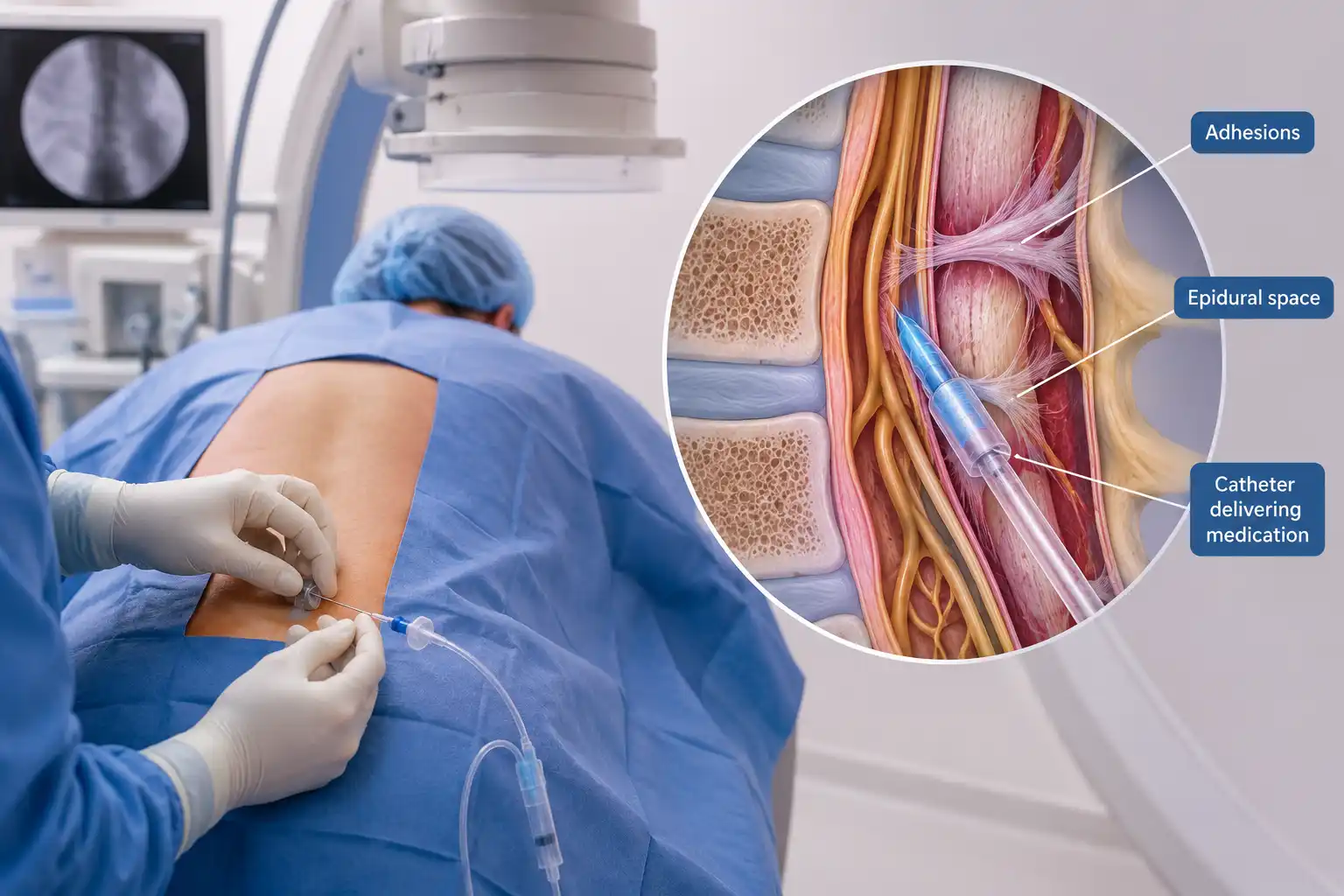
Therapeutic injections are a cornerstone of modern pain management, delivering medication directly to the affected area for maximum impact. These treatments can provide rapid relief by reducing inflammation and calming irritated nerves. Depending on the location and cause of your pain, Dr. Nair might recommend a cervical facet joint injection for neck pain or an epidural steroid injection for pain stemming from the spine. These procedures are performed with precision to ensure the medication reaches the exact source of your discomfort. For many patients, injections can provide weeks or even months of relief, breaking the cycle of pain and allowing them to participate more fully in physical therapy and daily life.

Radiofrequency Ablation

For chronic joint pain that doesn’t respond to other treatments, radiofrequency ablation (RFA) can be a game-changer. This minimally invasive procedure uses heat generated by radio waves to create a lesion on a specific nerve, which interrupts the pain signals it sends to your brain. It’s often recommended for patients who have experienced successful but temporary relief from a diagnostic nerve block. By targeting the nerve responsible for transmitting pain signals from a damaged joint, RFA can provide relief that lasts for six months to over a year. This allows for a significant reduction in pain and an improved ability to function without relying on daily medication.

Frequently Asked Questions

My joints pop and click sometimes. Should I be worried? Occasional pops and clicks from your joints are usually harmless, especially if there’s no pain. However, if those sounds are accompanied by pain, swelling, or a grinding sensation, it’s a good idea to get it checked out. These symptoms could indicate that the cartilage in your joint is wearing down, and a specialist can help determine the cause and recommend ways to protect your joint health.

Is joint pain just an unavoidable part of getting older? While the risk of developing conditions like osteoarthritis does increase with age, significant joint pain is not a mandatory part of getting older. Many effective treatments are available that can manage discomfort and help you maintain an active, mobile lifestyle. Attributing your pain solely to age might cause you to ignore a treatable condition, so it’s always best to seek a professional opinion.

When should I stop trying to manage my joint pain at home and see a doctor? At-home care is great for minor aches, but you should see a doctor if the pain is severe, persistent, or interferes with your daily activities. Pay close attention to red flags like sudden swelling, redness, warmth around the joint, or if the pain is accompanied by a fever or unexplained weight loss. These are signs that you need a professional diagnosis to address the underlying issue.

Will exercise make my painful joints feel worse? It’s a common fear, but the right kind of exercise can actually be one of the best things for joint pain. High-impact activities can be jarring, but low-impact movements like swimming, walking, or cycling strengthen the muscles that support your joints, which can reduce pain and stiffness. A specialist can help you understand which exercises are safe and beneficial for your specific condition.

What happens during a pain management consultation? A consultation is primarily a conversation to get to the root of your pain. Dr. Nair will listen to your symptoms, review your medical history, and perform a physical exam to understand what’s happening. This detailed evaluation allows for an accurate diagnosis, which is the foundation for creating a personalized treatment plan that effectively addresses your specific needs and goals for relief.

Key Takeaways

  • Translate your symptoms into clues: Go beyond just saying “it hurts.” Noting specific sensations like grinding, popping, or instability gives your doctor the precise information needed for an accurate diagnosis and effective treatment plan.
  • Know when pain requires a professional: While minor aches can often be managed at home, symptoms like sudden swelling, redness, fever, or a visible change in the joint’s shape are clear signals to see a doctor to prevent long-term damage.
  • Aim for lasting solutions, not just temporary fixes: Over-the-counter options can mask pain, but a specialist can identify the root cause and create a personalized plan with advanced treatments that provide significant, long-term relief.

Related Articles

You may also like